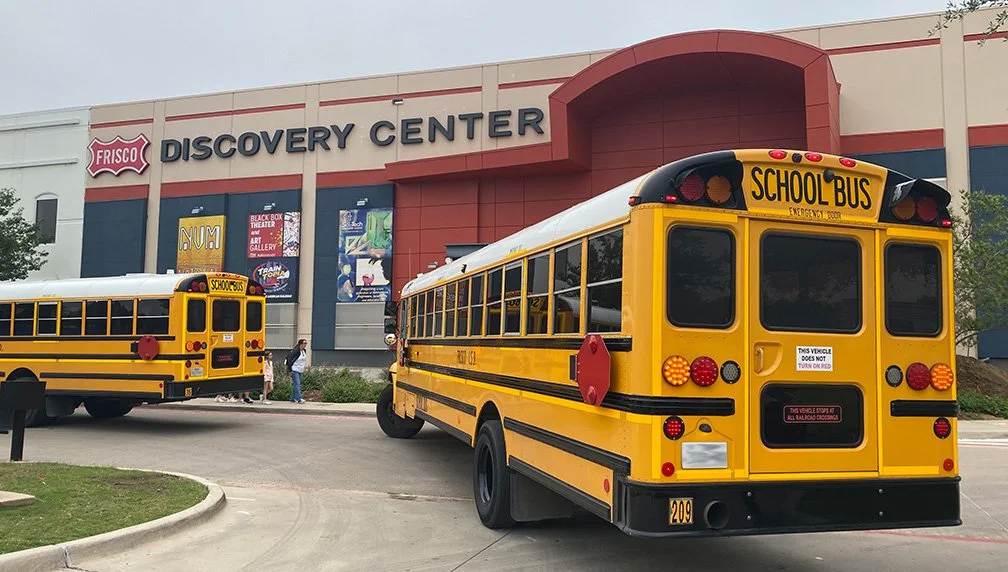
The 2026-2027 academic year is in full swing and the museum's school field trip programs are better than ever. We take great pride in telling the stories behind our collection of historic trains and partnering with school districts to bring social studies to life. The rich history of the railroad simply cannot be separated from the history of our great nation. That's why so many schools leave the classrooms and Chromebooks behind and travel to the museum to encounter first-hand evidence of the past. There's no better way to enlighten and inspire the curiosity of students than to provide tangible evidence of railroading's enormous impact on American life and culture.
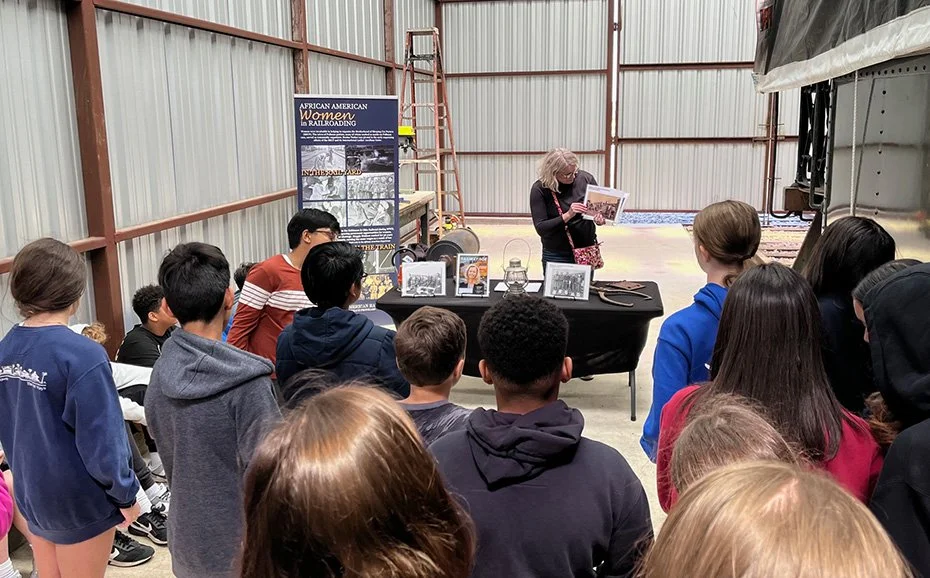
But our programs don't end with just history lessons. For several years we've been weaving in the technology behind railroads with nearly every subject – everything from energy production to communications. This year's lineup of educational programs fully embraces technology to connect the historic achievements of the past with today's sophisticated rail transportation and logistics network.
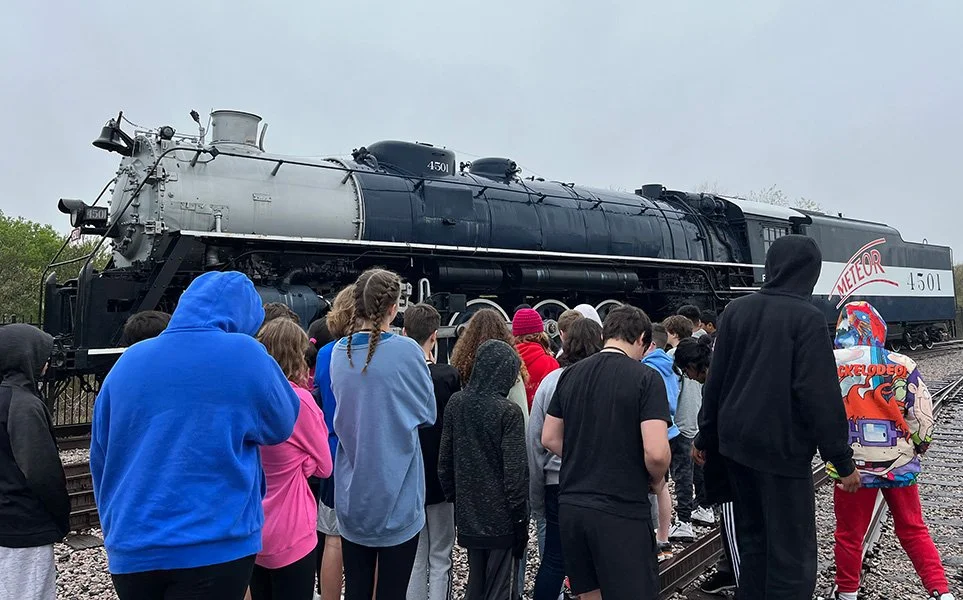
Did you know that the railroads write their own software, or that they use drones to inspect their vast physical plant? Or, that railroads are one of the cleanest, most efficient forms of transportation of people and goods? Truly, what is old is new again, from hydrogen fueled locomotives to positive train control. Our new STEM programs address these modern approaches to the transportation needs of a world on the go.
Third grade field trips explore electrical energy, mechanisms & drives, and communications, while seventh grade programs feature internal combustion, the expansive properties of steam, and career paths to the railroad industry. Programs can be tailored to other grades to match state TEKS requirements.
We’re booking field trips now, so contact us at kmurphy@historictrains.org to get your field trip on our calendar!
We Offer Programming for Teachers Too!
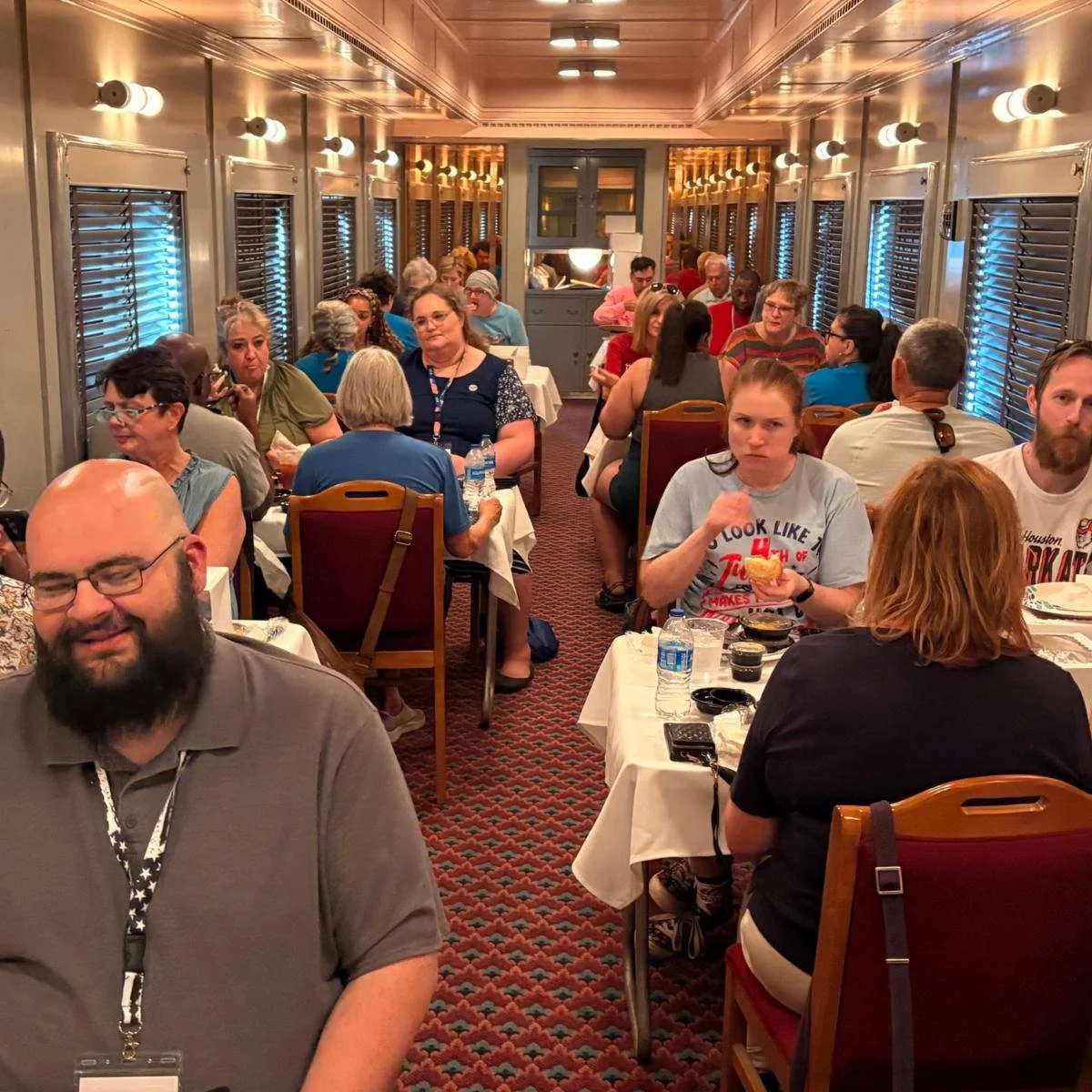
The Museum of the American Railroad recently welcomed a distinguished group of social studies educators from across Louisiana, Texas, New Mexico, and Oklahoma as part of a multi-state teacher institute on Documents of Democracy. Funded by a federal grant and sponsored by the Center for Civic Education through it’s We the People: The Citizen and the Constitution program, along with The Hamilton School for Classical and Civic Education at the University of Florida, and Law Focused Education, Inc. The institute brought together teachers dedicated to deepening civic understanding in their classrooms. During their visit, participants engaged with the powerful history of the Pullman Porters through the Museum’s extensive collection of Pullman railcars, one of the largest in the country.
One Family's Santa Fe Legacy
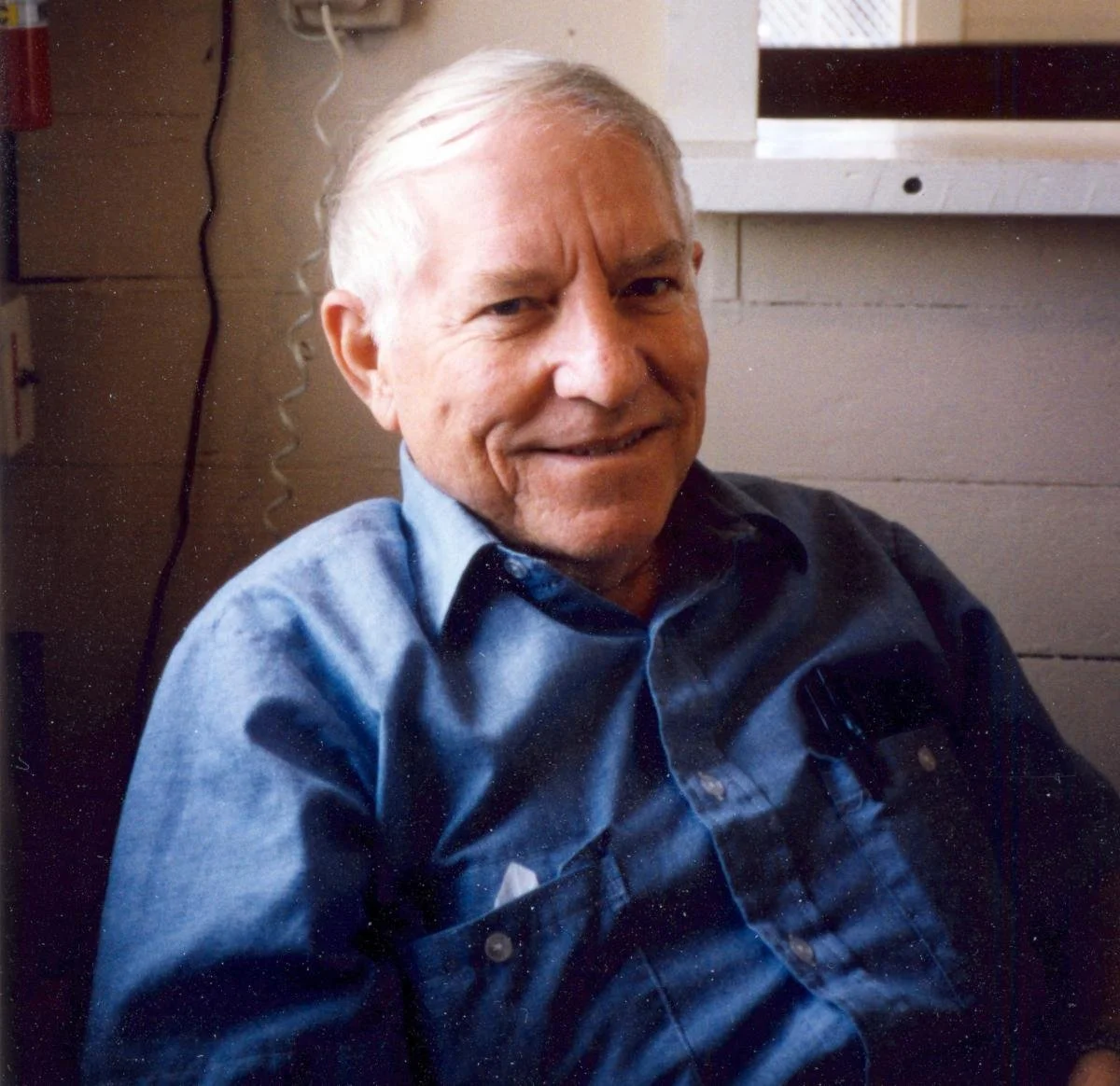
We have been blessed with many dedicated volunteers over the years. We do our best to match their interests and passions to the needs of the museum. Sometimes that's working on the public facing side of operations, and sometimes it's behind the scenes such as restoration and maintenance.
So, when Bob Muckleroy showed up at our Fair Park location several years ago, we did our usual interview and looked for a good match. What immediately stood out was his pleasant, soft-spoken demeanor and almost calming presence. As it turns out, Bob was a doctor, and he came from a Santa Fe Railway family. Now it all added up.
Bob went on to be a star volunteer at the museum, manning the entrance, admitting guests, and giving guided tours. He was a regular during the State Fair, a 24-day endurance that tested the energy and dedication of volunteers and paid staff alike. He was the face of the museum to visitors during his shifts, engaging in conversations and providing information about the collection. And there was always a random medical question from us. Hey Bob, I've got this...
Sadly, we lost Bob Muckleroy in 2002, but the story doesn't end there. Bob's wife Dani knew how much he enjoyed his work at the museum and the friendships he made over the years. Dani, who had experience at non-profit museums, wanted to see Bob's influence continue and have a positive effect on our future.
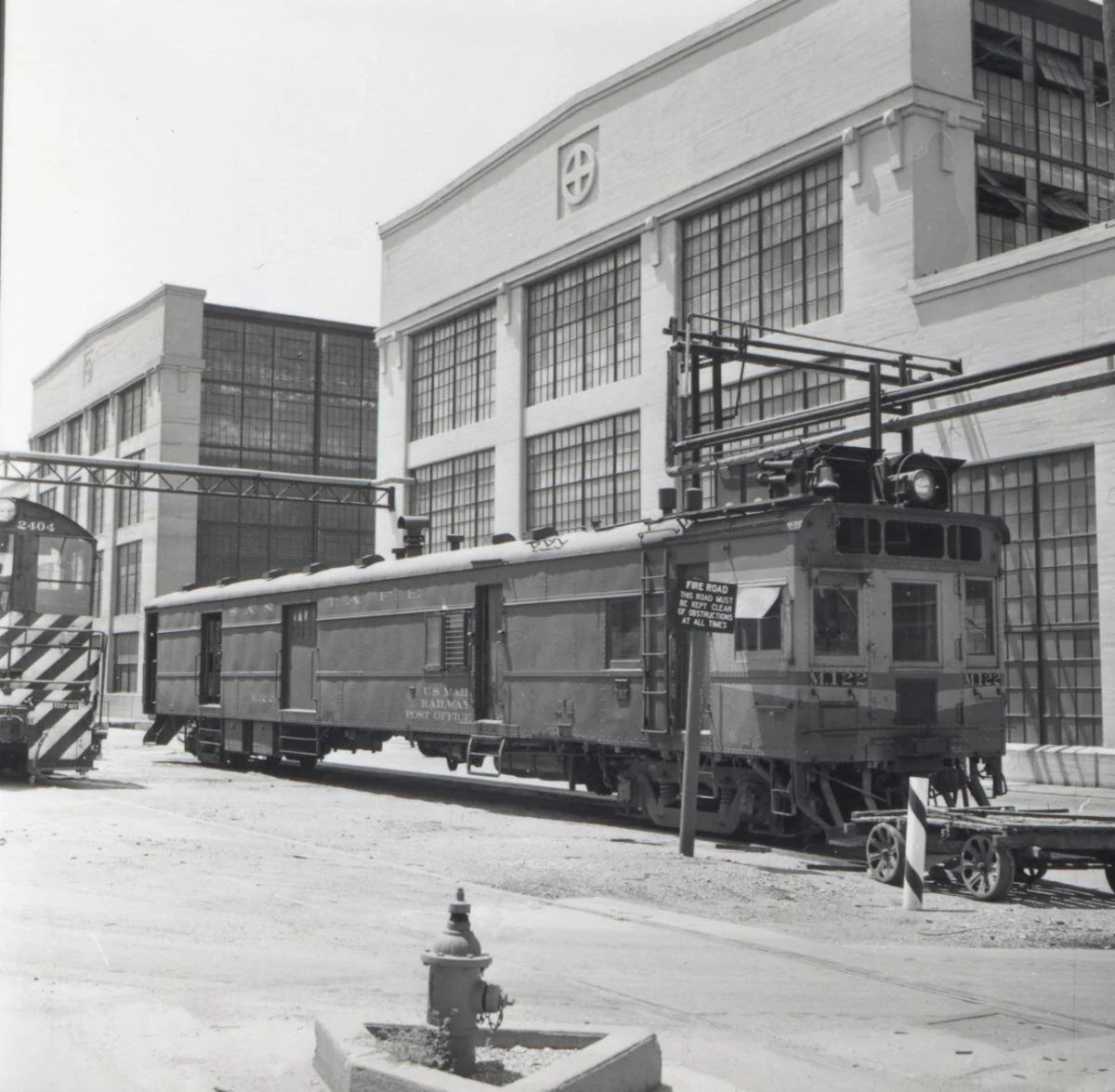
Now, for the Santa Fe tie-in. Bob was born in Cleburne, Texas where his father worked in the Cleburne shops of the Santa Fe Railway. Unfortunately, his father was forced to pull up stakes and move his family of six children to Dallas during a railroad labor dispute and strike. But Bob kept up his ties with friends in Cleburne, riding his bike from his home in Oak Cliff to visit on the weekends. His fondness for the Santa Fe never faded either, blossoming into a life-long interest in the railroad and the Cleburne Shops.
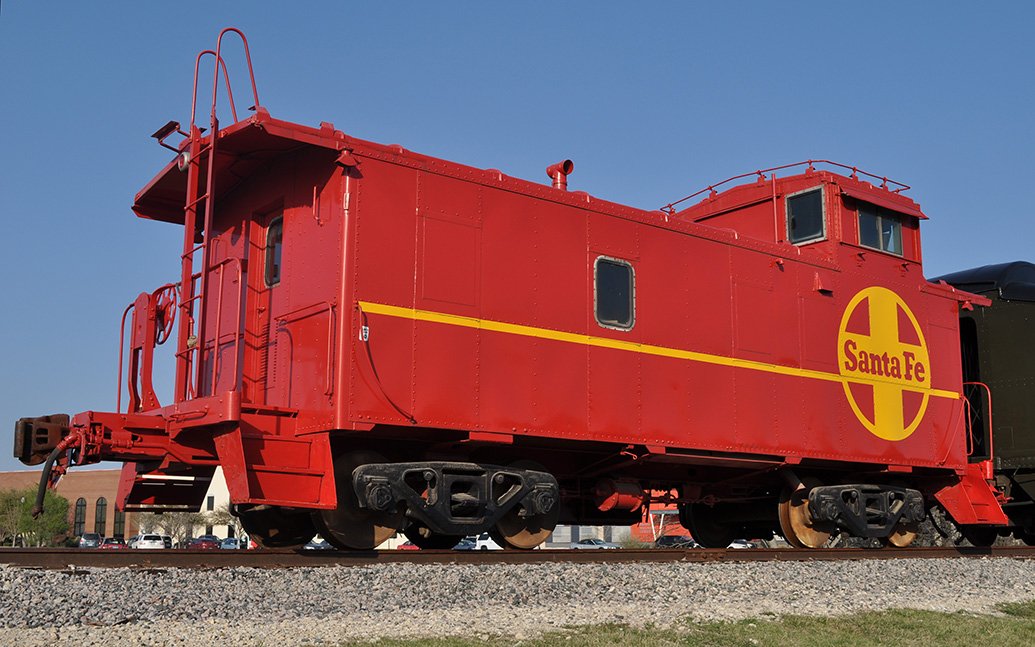
Following Bob’s passing, our friendship blossomed with Dani, and she became a true stakeholder in the museum’s future. Over the years she has provided funding support for many preservation and restoration projects – many of which benefit the museum’s historic Santa Fe collection. In 2001 Dani donated a complete Santa Fe caboose in Bob’s name. It had been a gift to her from Bob and served as a cabin on their property in Ovilla, Texas. It’s now a favorite among museum visitors today.
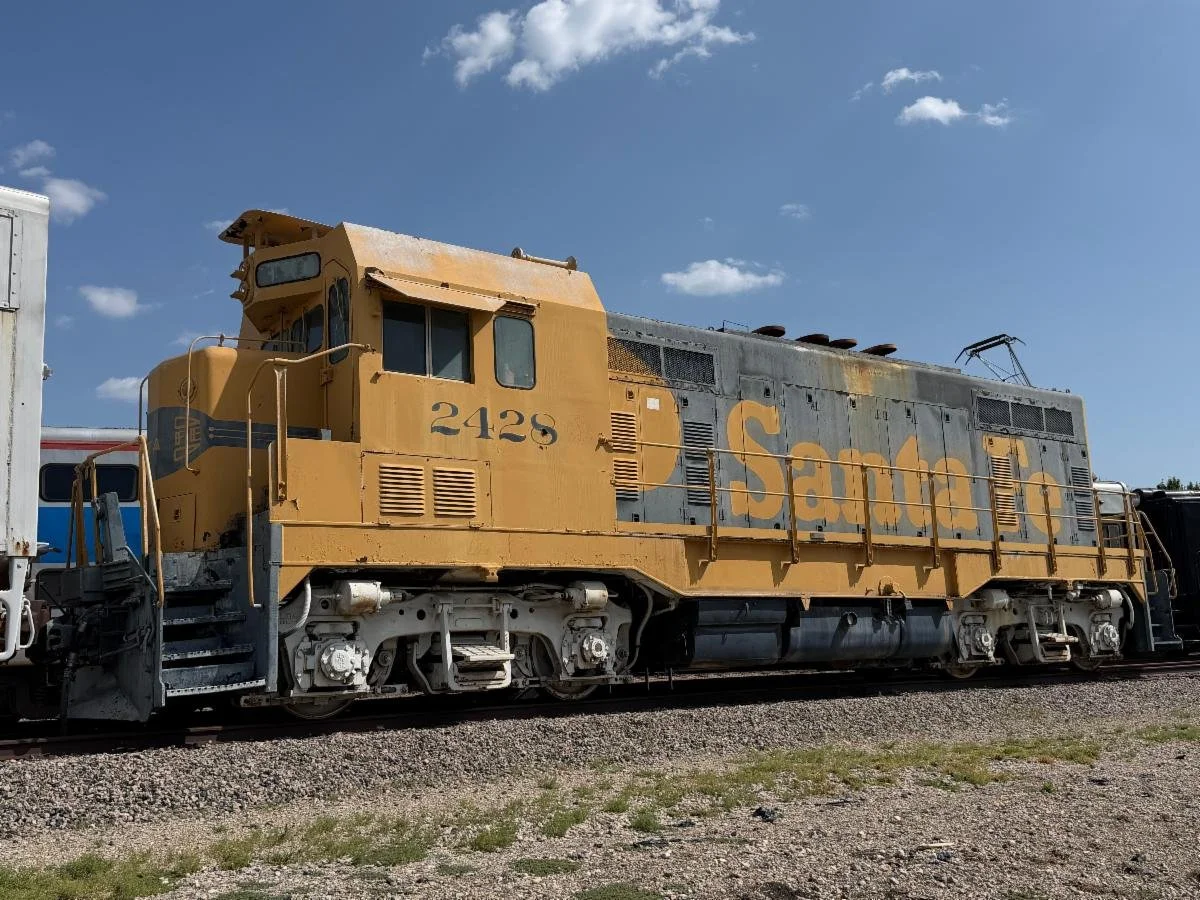
We are very excited to announce Dani’s most recent gift of funding to cosmetically restore the exterior of the museum’s CF-7 locomotive. This unit was the product of the Cleburne Shops in the 1970s. It was among many that were remanufactured from Santa Fe’s 200-class EMD F-7A locomotives. The program was very successful, giving new life to these venerable locomotives – many being sold to short line railroads years after their work on the Santa Fe. The CF-7s have the distinction of being “Made in Texas,” with so many components originating in Cleburne.
We remain grateful for Dani Muckleroy’s friendship and support of the museum. She is truly responsible in part for our continued success. And there is much more in store to ensure the museum’s rolling stock collection is well cared for in the future. Dani’s beloved husband Bob’s influence lives on at the museum, as does his family’s legacy on the Santa Fe.
Chicago Celebrates 100 Years of Electric Rail Service
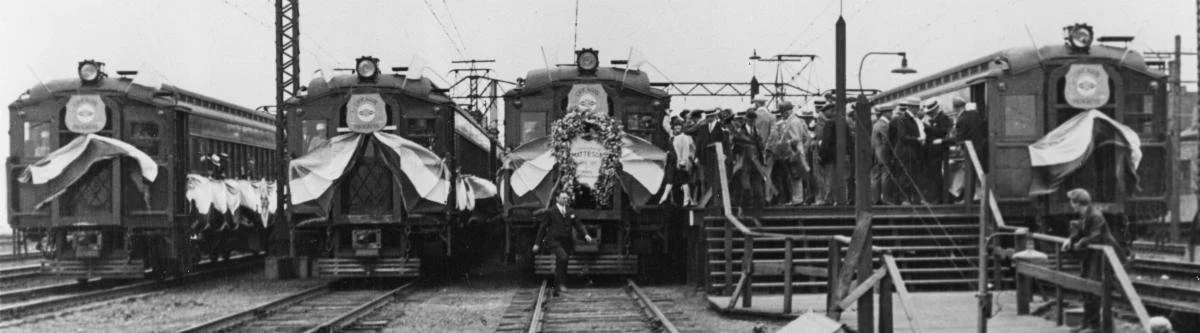
The City of Chicago recently crossed a major milestone in its long history as the rail hub of the nation. It was 100 years ago this August that the Illinois Central line was electrified between the downtown loop and points south of the city. The massive undertaking was a huge investment in Chicago’s south side and the urban sprawl to burgeoning communities along the lakefront and beyond.
Why is this significant to a museum in Texas? Because we roster the largest collection of former IC/Metra electric commuter cars in the nation. In 2016, we acquired 10 recently retired “Highliner” cars through a public offering. Metra, Chicago’s heavy rail commuter line, graciously made the cars available to the museum for use as classrooms and special event space. But their history and legacy extends well beyond their practicality.
For 45 years, nearly half the life of the electrified line, the Highliners were a part of the heartbeat of Chicago. They moved some 34,000 daily riders between Randolph Street Station (now Millennium Station) and points south such as University Park and Blue Island. They replaced the original Pullman-built cars from the 1920s and were in turn replaced by new stainless-steel cars built by Nippon Sharyo starting in 2005.
Electrification of the now 63 route-mile IC line was part of an organized effort to make Chicago cleaner and more livable amid the rapidly expanding south side. Daniel Burnham, the celebrated architect and urban planner, would have been proud to see his vision of a clean, smoke-free Chicago realized in part by IC's investment. Burnham (1846-1912) is credited with the modern skyscraper and Chicago's White City built for the World's Columbian Exposition in 1892.
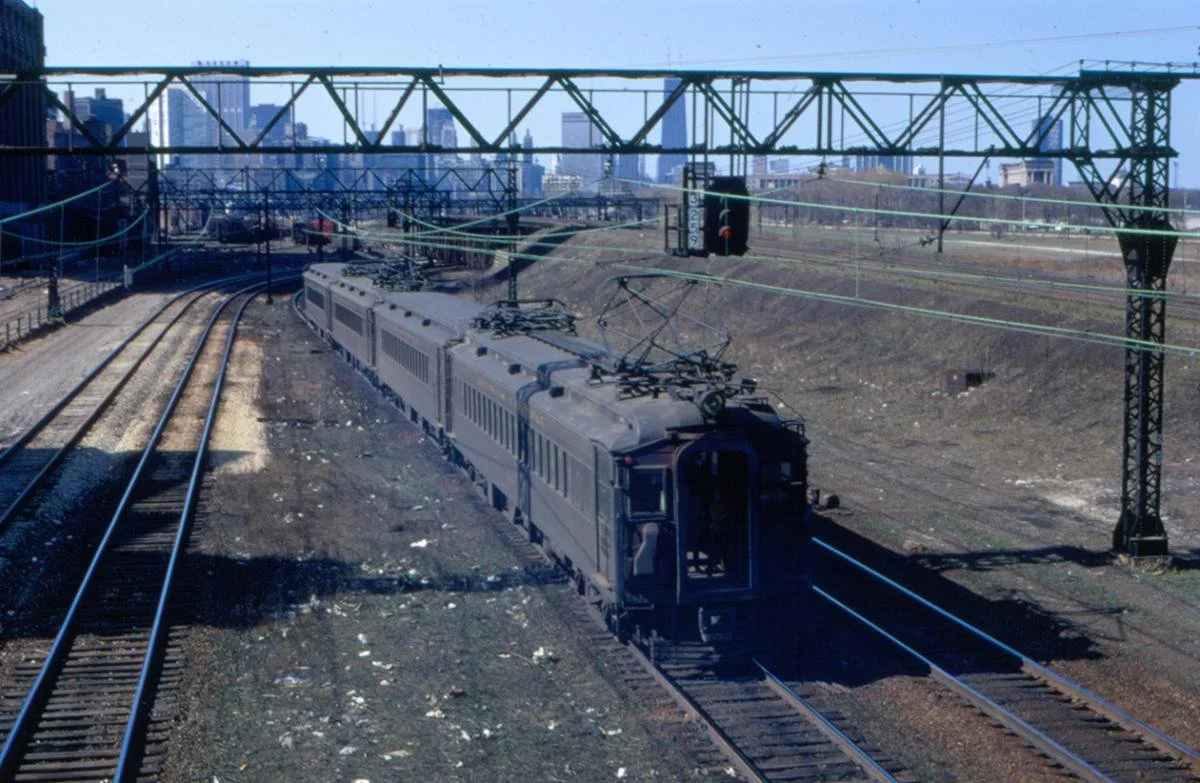
Following Illinois Central's completion of electrification in 1926, Pullman's heavyweight "motor trailer" cars debuted on the line between the downtown loop and the south suburbs.
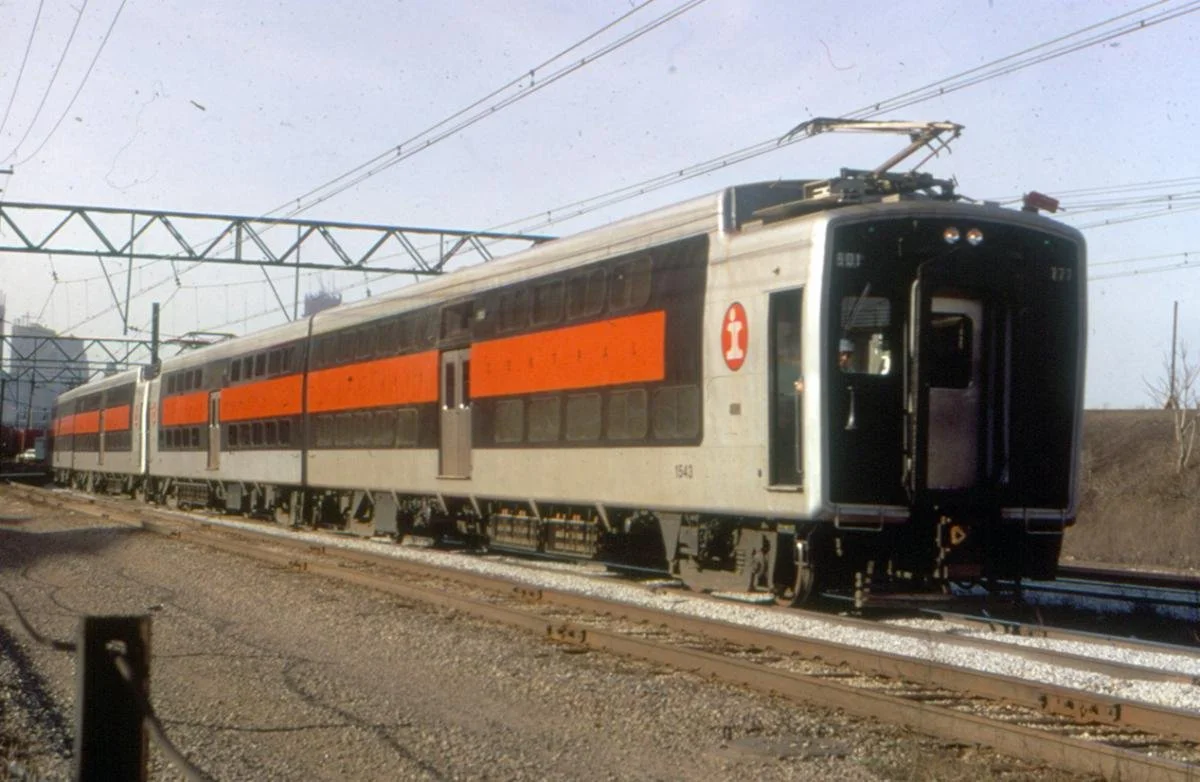
Beginning in 1971, a new breed of rail cars were phased in on the IC's electric district. Manufactured by St. Louis Car Company, the "Highliners" featured two level gallery seating and air conditioning.
Celebrations for the 100th anniversary of electrification were hosted by Metra, which featured special events, pop-up exhibits, and giveaways at stations along the line. Metra purchased the IC electric line in 1987 following an operating agreement between Illinois Central and the Regional Transportation Authority (RTA), a governmental agency, in 1986.
This summer's 100th anniversary events culminated in a weekend celebration at the Town of Pullman and Pullman National Park. As part of their annual Pullman Railroad Days, a surviving set of IC's original 1926 Pullman-built electric rail cars traveled to the historic town for display. The cars are part of the Illinois Railroad Museum's permanent collection, which were a popular attraction during the July 25-26 event. They are remarkably preserved, including their original wicker seating.
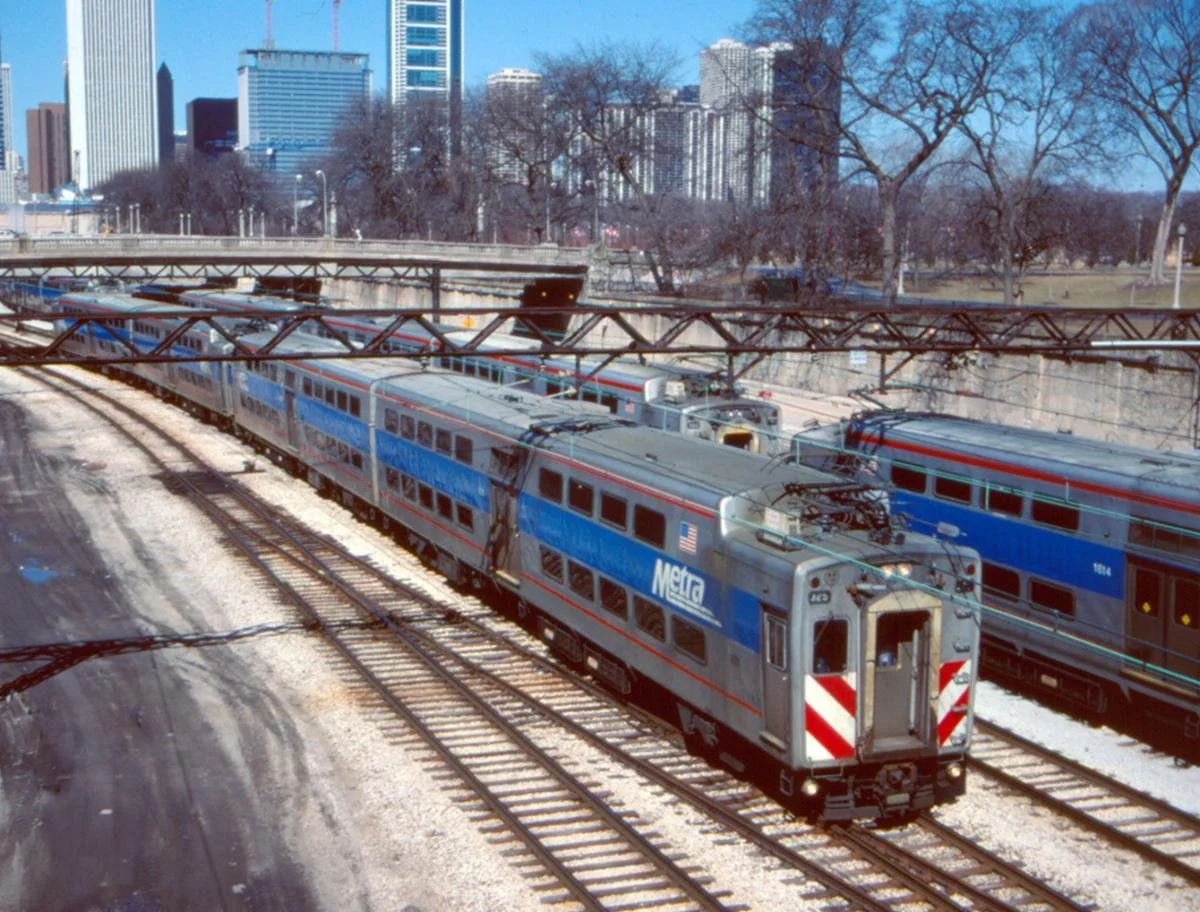
The Highliners soldiered on well into the 2000s. Their lightweight construction and efficient design earned them a reputation of reliability and comfort. They were remanufactured following Metra's absorption of IC's electric district in 1987, but age and obsolescence led to their eventual retirement.
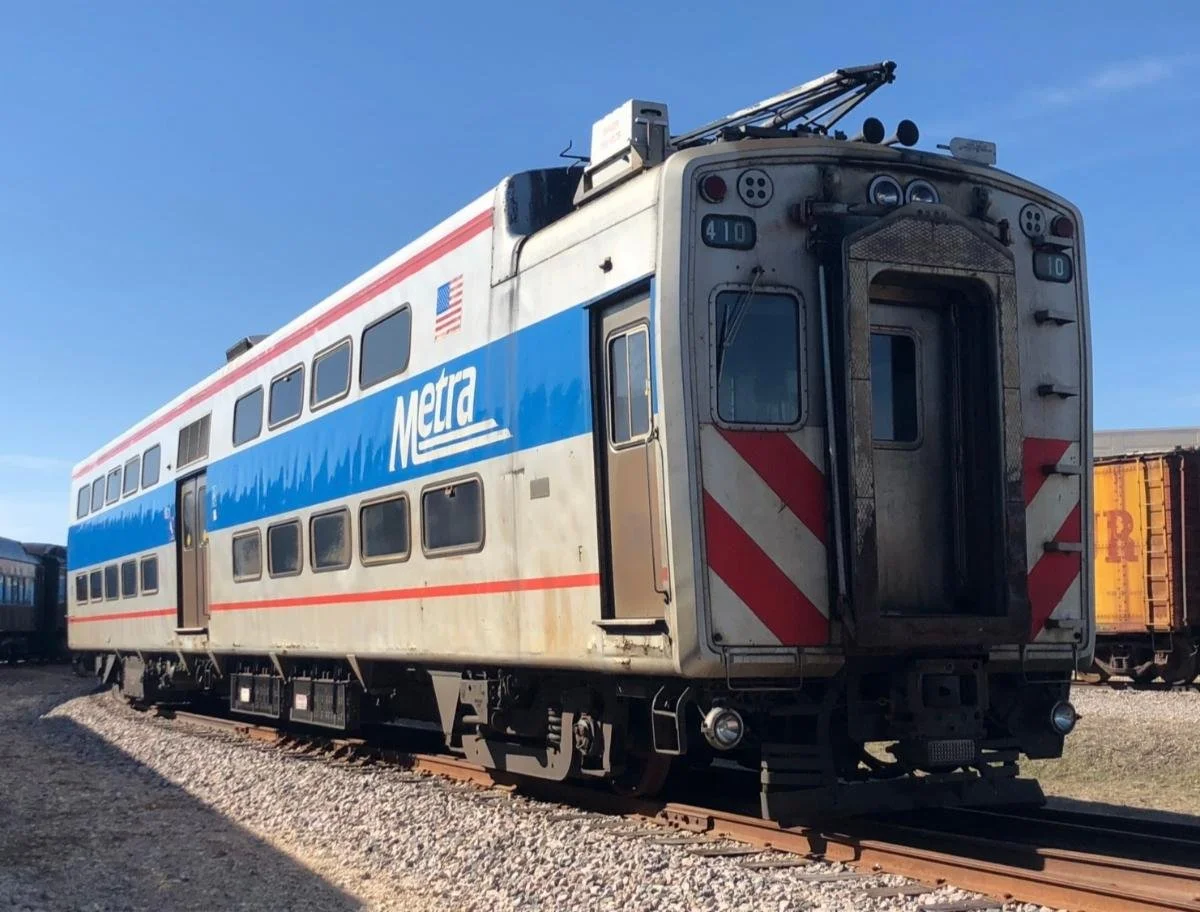
The 166-car fleet was phased out by newer stainless steel gallery cars built by Nippon Sharyo. The final run of a Highliner was on February 12, 2016. The Museum acquired ten Highliners through a public offering by Metra. The cars are now used as classrooms for educational programs.
Congratulations Chicago on 100 years of suburban electric service! What might seem trivial to Texans is an important birthday for an institution as familiar as a Cubs game at Wrigley Field. We see countless transplants from the Chicagoland area that are genuinely moved by our Metra Highliner cars. They have a special place at our museum, and countless stories to tell.